
September 29, 2026
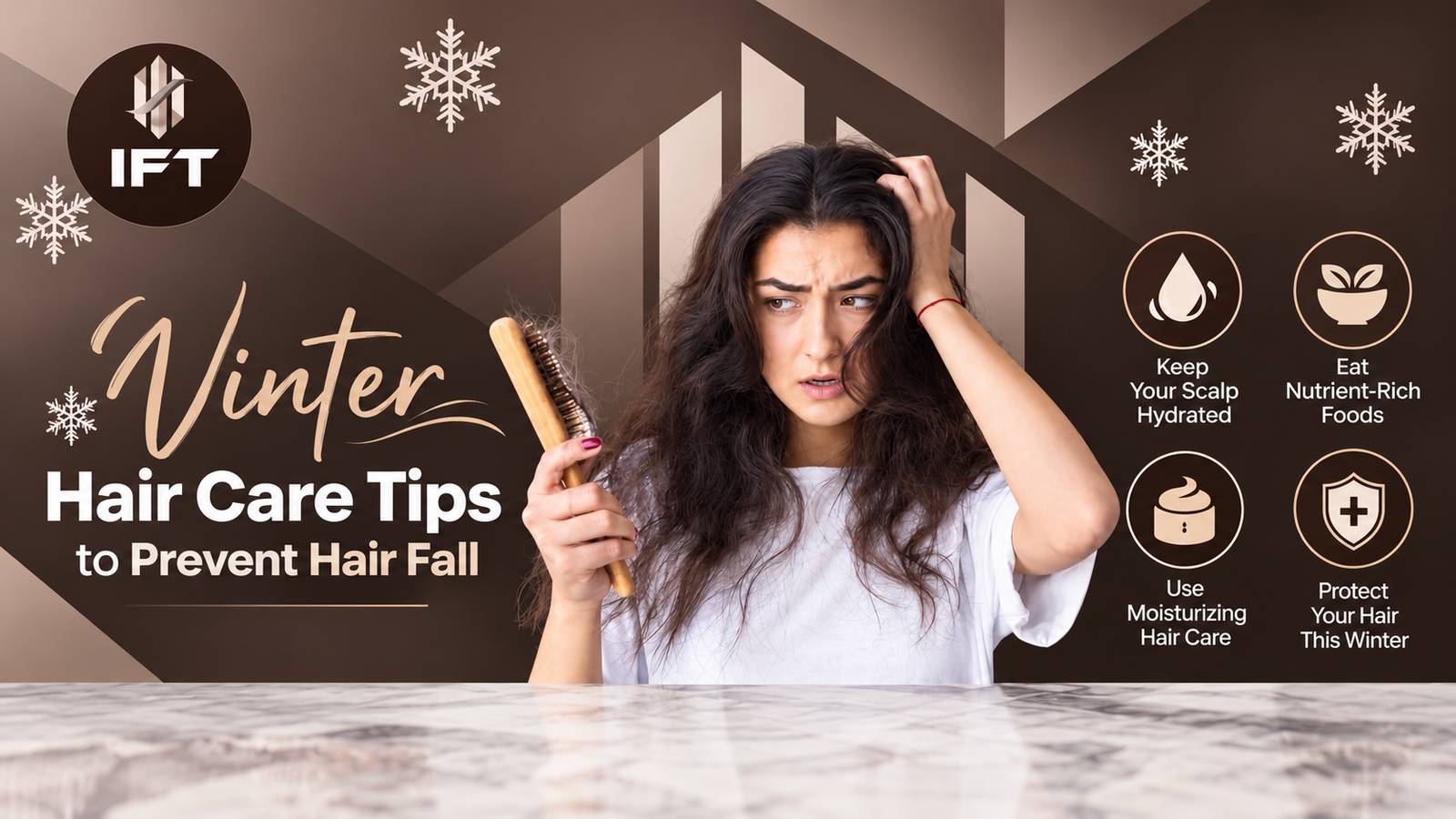
Winter Hair Care Tips to Prevent Hair Fall
Winter can be tough on your hair and scalp. Cold weather, low humidity, hot showers and indoor heating can make the scalp dry and hair more prone to breakage. Many people also notice increased hair fall in winter, dandruff and dryness during this season. Following the right winter hair care tips can help reduce damage and support healthier hair growth.
1. Avoid Very Hot Water
Hot showers may feel comfortable in winter, but excessively hot water can remove natural oils from your scalp. This can increase dryness, frizz and hair breakage during winter. Always wash your hair with lukewarm water to maintain a healthy scalp and reduce unnecessary damage.
2. Keep Your Scalp Moisturized
A dry scalp in winter can cause itching, flaking and irritation. Proper scalp moisturization is an important part of your winter hair care routine. Use products suitable for your scalp type and avoid applying excessive oil for long periods.
3. Use a Gentle Shampoo
Using harsh shampoos or washing your hair too frequently may increase scalp dryness. Choose a mild shampoo that cleans without stripping away natural moisture. If you experience persistent flakes or itching, it could be winter dandruff rather than simple dryness and may require professional scalp care.
4. Don’t Skip Conditioner
Conditioning is essential for maintaining moisture and reducing dry and frizzy hair in winter. Apply conditioner mainly to the mid-lengths and ends of your hair. This can help reduce tangling, split ends and hair breakage.
5. Reduce Heat Styling
Frequent use of straighteners, curling irons and high-heat blow dryers can worsen winter dryness. Limiting heat styling is one of the simplest winter hair fall prevention tips. If you need to use a dryer, choose a lower heat setting.
6. Avoid Going Out with Wet Hair
Wet hair is more fragile and can break easily. Gently dry your hair before stepping outside. Avoid rubbing your hair aggressively with a towel, as this can increase hair breakage and hair fall.
7. Follow a Hair-Healthy Diet
Nutrition plays an important role in healthy hair growth. Include protein-rich foods, green vegetables, fruits, nuts, seeds and pulses in your daily diet. Nutrients such as iron, zinc, vitamin D and vitamin B12 can support overall hair health.
A balanced diet can also help with seasonal hair shedding and maintain stronger hair during winter.
8. Stay Hydrated
People often drink less water during colder months. However, proper hydration is important for maintaining healthy skin and scalp. Drinking enough fluids supports your overall scalp care routine and helps prevent excessive dryness.
9. Avoid Tight Hairstyles
Tight ponytails, braids and buns can create unnecessary tension on the hair roots. If you are already experiencing excessive hair fall in winter, choose loose hairstyles and handle your hair gently.
10. Don’t Ignore Excessive Hair Fall
Some degree of seasonal shedding may occur, but persistent winter hair fall should not always be ignored. If you notice a receding hairline, widening partition, bald patches, visible scalp or continuous shedding, professional evaluation may be needed.
At IFT Hair Science, hair and scalp concerns are assessed individually to identify the possible cause of hair loss. Depending on the condition, options such as hair fall treatment, PRP hair treatment, scalp treatment and advanced hair restoration procedures may be considered.
Keep Your Hair Healthy This Winter
Following simple winter hair care tips to prevent hair fall can make a noticeable difference. Use lukewarm water, keep your scalp moisturized, reduce heat exposure, maintain a balanced diet and avoid harsh hair-care habits.
If your hair fall in winter continues for several weeks or becomes severe, consult a hair specialist rather than relying only on home remedies. Early evaluation can help identify the cause and guide the right hair loss treatment for healthier, stronger hair.