
August 31, 2026
How to Identify Early Signs of Baldness Before It’s Too Late
Hair loss rarely happens overnight. In most cases, baldness starts with subtle changes that people ignore for months or even years. Recognizing the early signs of baldness can make a significant difference because treatments are generally more effective when started before significant hair follicle damage occurs. If you’re wondering whether your hair is thinning or if it’s simply normal hair shedding, this guide will help you understand what to watch for and when to seek professional help.
Why Early Detection Matters
Every day, it’s normal to lose around 50–100 hair strands as part of the natural hair growth cycle. However, when new hair grows back thinner, weaker, or not at all, it may indicate the beginning of androgenetic alopecia (male or female pattern baldness). Early diagnosis allows for evidence-based treatments that may slow progression and help preserve existing hair.
7 Early Signs of Baldness You Should Never Ignore
1. Receding Hairline
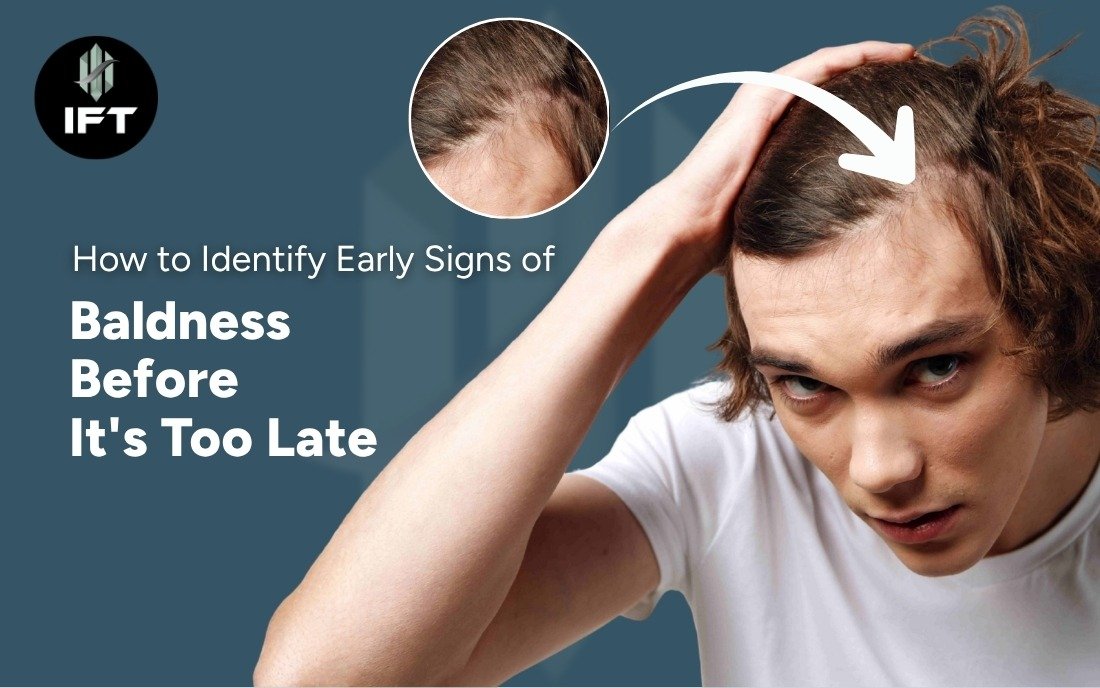
One of the earliest symptoms of male pattern baldness is a hairline that slowly moves backward, especially around the temples, creating an “M-shaped” appearance. This change is gradual, making it difficult to notice without comparing older photographs.
2. Thinning at the Crown
If you notice more scalp visibility at the top or back of your head, you may be experiencing crown thinning, another classic sign of early baldness. Women often experience diffuse thinning along the part line rather than a receding hairline.
3. Increased Hair Shedding
Finding more hair on your pillow, shower drain, or hairbrush isn’t always a cause for concern. However, persistent excessive shedding combined with reduced hair density may signal early hair loss rather than seasonal shedding.
4. Hair Becomes Finer and Weaker
One of the earliest biological changes is hair follicle miniaturization. Thick terminal hairs gradually become thinner, softer, and shorter. Many people notice their hairstyle no longer holds volume the way it once did.
5. Widening Hair Part
A widening center part is among the most common female pattern hair loss symptoms. It usually develops slowly and may initially be mistaken for normal aging.
6. Slow Hair Growth
If your hair takes much longer to grow after a haircut or doesn’t regain its previous thickness, weakened follicles may be producing shorter growth cycles.
7. Family History of Baldness
Genetics remain the strongest predictor of androgenetic alopecia. If close family members experienced early hair loss, your risk is significantly higher, making regular scalp assessments even more important.
Common Risk Factors
Several factors can accelerate hair thinning, including:
- Genetic predisposition
- Hormonal changes and DHT sensitivity
- Chronic stress
- Nutritional deficiencies (iron, vitamin D, protein)
- Smoking
- Thyroid disorders
- Poor scalp health
Not every case of hair loss is hereditary. Conditions like telogen effluvium, thyroid disease or iron deficiency may also cause noticeable shedding and require different treatments.
When Should You Visit a Hair Specialist?
Schedule a consultation if you notice:
- Continuous hair shedding for more than 2–3 months
- A rapidly receding hairline
- Visible scalp in bright lighting
- Patchy hair loss
- Sudden or unexplained thinning
- Hair loss accompanied by itching, redness, or scalp irritation
Early evaluation can help determine the underlying cause through scalp examination, medical history, and, when necessary, laboratory testing.
How IFT Hair Science Can Help
At IFT Hair Science, advanced scalp analysis helps identify hair loss at its earliest stage before significant follicle damage occurs. Personalized treatment plans may include medical therapy, PRP/GFC treatments, laser therapy, nutritional guidance or hair transplant solutions depending on the diagnosis and severity of hair loss.
The early signs of baldness are often easy to overlook, but acting quickly can improve long-term outcomes. If you’ve noticed a receding hairline, hair thinning, widening part line or increased hair shedding, don’t wait until bald spots become obvious. Professional evaluation and timely treatment can help preserve healthy hair and slow further hair loss.