Connect with No.1

Hair Transplant Clinic in Mumbai

Searching for hair transplant in Mumbai? IFT Hair Science is your destination .
K
Surgeries
M
Patients
+
Doctors

    No.1

    Beard Hair Transplant in India

    A well-defined beard can dramatically enhance a man’s facial aesthetics, projecting masculinity, maturity, and style. For many, however, genetics, hormonal imbalances, or scarring prevent natural beard growth, leading to patchy or uneven facial hair. This can take a toll on confidence and self-image. But with advancements in medical science, especially in hair restoration techniques, men can now achieve the facial hair they’ve always desired.

    Enter the world of beard hair transplant in India—a transformative procedure that blends precision, personalization, and permanence. At the forefront of this innovation is IFT Hair Science, where tailored solutions meet modern technology to deliver results that look and feel entirely natural.

    IFT CLINIC, led by an acclaimed  Hair Transplant Surgeon in India, shares:

    “In the last decade, the demand for facial hair restoration has surged by over 35% globally. Indian men, too, are increasingly seeking this transformation not just for cosmetic enhancement, but for personal identity. At IFT Hair Science, we combine artistic detail with surgical precision to deliver results that align with the patient’s facial structure and preferences.”

    Head, Jodhpur Branch
    What Is a

    Beard Hair Transplant?

    Think of it as a facial makeover that uses your own hair to craft a fuller, well-contoured beard. A beard hair transplant is a minimally invasive surgical procedure where hair follicles—usually extracted from the back of the scalp—are transplanted into areas of the face lacking facial hair.

    Here’s what makes it stand out:
    1. Autologous procedure: Uses your own hair, minimizing rejection risk.
    2. Precision placement: Each follicle is implanted at an angle that mimics natural growth.
    3. Custom design: Patients can choose beard shapes—whether a full beard, goatee, or defined mustache.

    Globally, facial hair restoration has grown by over 42% since 2016, thanks to rising awareness and better techniques.
    Have questions ?
    But what exactly causes hair loss in women?

    Understanding Female Pattern Hair Loss (FPHL)

    Hair loss has traditionally been associated with men, but statistics show that nearly 40% of women experience noticeable hair thinning by age 50. Modern lifestyle stressors, hormonal changes, and genetics play a significant role in exacerbating this condition.

    Yet, unlike in the past, women now have access to advanced hair restoration techniques tailored specifically to their needs. Procedures like the FUE hair transplant for women offer subtle, natural-looking results without visible scarring.

    Recognizing FPHL early is key to managing its progression. While medications and topical treatments may offer temporary relief, many women eventually seek hair transplant as a reliable, long-term option.

    So, who qualifies for this game-changing procedure?
    Who is an Ideal Candidate for Female Hair Transplant?
    Ideal candidates usually:

    1. Experience localized thinning rather than complete baldness
    2. Have a stable donor area (typically at the back or sides of the scalp)
    3. Are in good general health, with no uncontrolled medical conditions
    4. Have realistic expectations about the outcome

    Women with conditions like traction alopecia, scarring alopecia, or thinning due to past surgeries may also benefit. However, a thorough evaluation is essential to determine suitability and the most effective approach.

    Want to know if you are the right fit for the procedure? A detailed assessment could provide the clarity you need. Schedule a consultation today.

    Want to know who can benefit from this? Keep reading…

    Ideal Candidate for Beard Transplant

    Beard transplants aren’t one-size-fits-all. Here’s who might benefit the most:

    Men with patchy or thin beard growth

    Due to genetics or hormonal reasons, some men naturally lack density in the beard area.

    Individuals with scars on the face

    Hair follicles can be used to cover facial scars resulting from injuries, burns, or acne.

    Transgender individuals in transition

    Many opt for beard transplants as part of their gender affirmation journey.

    Those who desire a specific beard style

    Some choose transplants purely for aesthetics—be it to fill gaps or craft a bold new beard line.

    IFT Hair Science, India, explains:

    “Many believe beard transplants are only for those without any facial hair. In reality, even men with existing beards can enhance shape, symmetry, or density. During our consultations, we map the facial features to ensure results blend seamlessly with natural hair patterns.”

    Let’s walk through the experience step-by-step…

    Beard Transplant Procedure

    Understanding the process can ease apprehension and prepare you better. Here’s a simplified breakdown:

    Consultation & Planning
    A detailed analysis of facial structure, hair texture, and growth patterns helps design the ideal beard.

    Donor Area Selection
    Typically, the back of the scalp is chosen for its dense, permanent hair follicles.

    Extraction via FUE
    Follicular Unit Extraction (FUE) is used to harvest individual hair follicles—minimally invasive and leaves no linear scar.

    Graft Preparation
    Extracted follicles are cleaned, sorted, and prepared for implantation.

    Implantation into Beard Area
    Hair follicles are implanted using precision tools at the right depth and angle to mimic natural beard growth.

    Post-Procedure Care
    Mild swelling or redness subsides within a few days. A soft beard may start appearing in 3-4 months.

    Curious about which parts of the face can be targeted? Let’s explore.

    What Areas of the Face Can Be Targeted?

    A beard transplant offers versatility. It’s not limited to just one part of the face. Here’s what can be addressed:

    Cheeks: Perfect for fuller sideburns or connecting areas.

    Chin: Helps define the lower face and jawline.

    Mustache Area: Essential for a complete beard appearance.

    Jawline & Neck: Enhances contouring and masculinity.

    Sideburns: Fill in thinning patches or connect to the beard.

    At IFT Hair Science, we specialize in restoring hair not just on the face, but also on the scalp. If you’re experiencing hair loss at the crown, our can help you regain natural hair density.

    What to Expect After the Procedure

    Initial shedding: Transplanted hair falls off in 2–3 weeks—this is normal.

    Regrowth begins: New hair growth starts around the 3-month mark.

    Full results: Typically visible by 9–12 months.

    IFT Clinic , a leading expert in minimally invasive hair restoration, adds:
    “Patience is key. Most clients begin to see promising results in the first few months, but the real transformation happens over time. Proper care and follow-ups accelerate recovery and ensure optimal outcomes.”
    Ready to see why it’s gaining popularity? Let’s break down the advantages.
     

    Benefits of Beard Hair Transplant

    The appeal of this procedure lies in its long-lasting and natural-looking results. Here’s why more men are opting in:

    Natural Appearance
    The implanted hair behaves just like natural facial hair—can be shaved, styled, and trimmed.

    Permanent Solution
    Once established, the beard doesn’t shed or fade with time.

    Custom Styling
    Design your beard—whether classic or trendy—to match your personality.

    Scar Coverage
    Ideal for concealing facial scars that hinder beard growth.

    Boost in Confidence
    A fuller, well-shaped beard can enhance overall appearance and self-assurance.

    Make your appointment with our specialist

    Check out the most effective hair loss treatment for women available at our clinic.

    Popular Hair Transplant Techniques for Women

    At IFT Hair Science, we focus exclusively on advanced FUE-based solutions to address the unique patterns of hair thinning in women. Unlike traditional strip-based methods (FUT), our techniques are designed to deliver natural results with minimal downtime and no visible scarring.

    1. Female FUE Hair Transplant:
    This minimally invasive technique involves harvesting individual follicular units from the donor area and implanting them into thinning zones using ultra-fine instruments. It offers several benefits:
    No stitches or linear scars
    Quick recovery
    Ideal for women with localized thinning or traction alopecia
    Allows flexible hairstyling post-procedure

    2. Interlocking FUE Technique:
    Exclusive to our advanced clinic, Interlocking FUE builds upon standard FUE by strategically placing grafts in a zigzag or interlocked pattern. This innovative approach:
    Increases visible density, even in diffuse thinning
    Mimics natural hair distribution
    Minimizes gaps between grafts for seamless coverage
    Offers optimal aesthetic results for wider part lines or frontal thinning

    At IFT Hair Science, technique selection is based on customized scalp diagnosis and density mapping, ensuring optimal graft survival and aesthetic balance.

    Check out the process at our clinic.
    What to Expect During the Procedure?
    A female hair transplant in Jaipur at IFT Hair Science is designed to be smooth, precise, and stress-free. Each step is handled with attention to both medical detail and aesthetic outcome, ensuring a comfortable experience.

    Pre-procedure Consultation:
    Your journey begins with a thorough diagnostic session, where the scalp, hair density, and medical history are reviewed. The treatment plan, including graft count and design, is finalized by our experienced transplant doctor.

    On the Day of Surgery:
    The donor area (typically the back of the scalp) is numbed with local anesthesia.
    Hair follicles are extracted one by one using the FUE or Interlocking FUE technique, depending on the plan.
    Grafts are carefully preserved and sorted for implantation.
    The recipient area is prepared using precision instruments to control angle, depth, and direction.
    Follicles are implanted with artistic precision for natural coverage and hairline design.

    During the Procedure:
    Patients are awake and alert, often able to watch TV or listen to music. The process is painless due to local anesthesia and generally takes 5–7 hours, depending on graft count.
    At IFT Hair Science, our focus is on creating a natural, fuller appearance while ensuring maximum graft survival and patient comfort.

    Recovery Tips and Aftercare for Women
    Recovery is usually swift. Most women can resume non-strenuous activities within 2–3 days. Here are some aftercare essentials:
    1. Sleep with your head elevated for the first few nights
    2. Avoid hair styling, washing, or coloring for the initial week
    3. Follow the clinic’s prescribed medications and care instructions
    4. Be patient with shedding—transplanted hair often falls out before regrowing

    Full results usually become visible between 9 to 12 months, with progressive thickening as follicles establish themselves. At IFT Hair Science, follow-up appointments ensure everything stays on track.

    Now, let’s clear up a few misconceptions.
    Common Myths About Female Hair Transplant – Debunked “It only works for men.”
    Not true. Female-specific approaches exist and are highly effective.
    “You’ll see instant results.”
    While the transformation is significant, visible growth takes time and patience.
    “Hair transplants look fake.”
    With today’s precision tools and techniques, results are remarkably natural—especially when done by experienced professionals.
    “It’s extremely painful.”
    The procedure involves local anesthesia and is generally well-tolerated.
    “Only complete baldness qualifies.”
    Many women with partial thinning are ideal candidates.

    Understanding the truth makes the decision easier—and far more empowering.

    Here’s what makes our clinic a leader in female hair transplant in India.
    Why Choose IFT Hair Science for Female Hair Transplant in Jaipur?
    Specialized expertise in female hair transplants
    We offer tailored solutions for female-specific concerns like diffuse thinning, wide part lines, hormonal hair loss, and traction alopecia.
    Exclusive use of FUE and Interlocking FUE
    Our clinic specializes solely in advanced FUE techniques—no FUT scars, no outdated methods. Just modern, effective treatments designed for natural-looking density.
    Personalized aesthetic design
    Every hairline we create is custom-planned to suit facial features, hair type, and the patient’s expectations. We aim for elegance, not excess.
    State-of-the-art technology and hygiene protocols
    We operate in a surgical-grade environment with advanced equipment and international hygiene standards.
    Doctor-led procedure execution
    All surgeries are performed and supervised by a highly trained transplant doctor, ensuring medical integrity at every step.
    Transparent consultation and realistic goals
    No overpromises. Just expert evaluation, honest feedback, and outcomes that align with individual hair biology.

    Want to know if you are the right fit for the procedure? A detailed assessment could provide the clarity you need. Schedule a consultation today.

    Lorem ipsum dolor sit amet, consectetur adipiscing elit. Ut elit tellus, luctus nec ullamcorper mattis, pulvinar dapibus leo.

    Let's meet

    Book Your Consultation Today

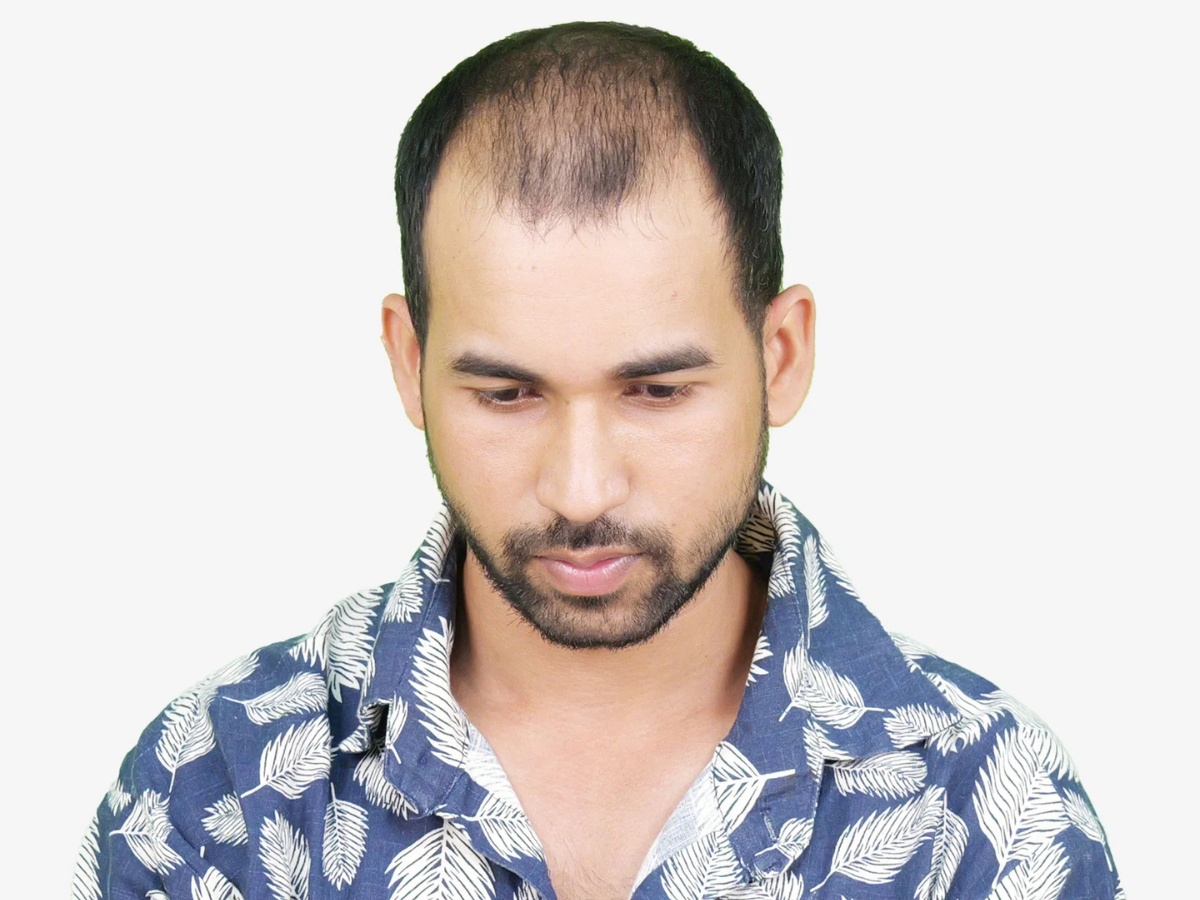
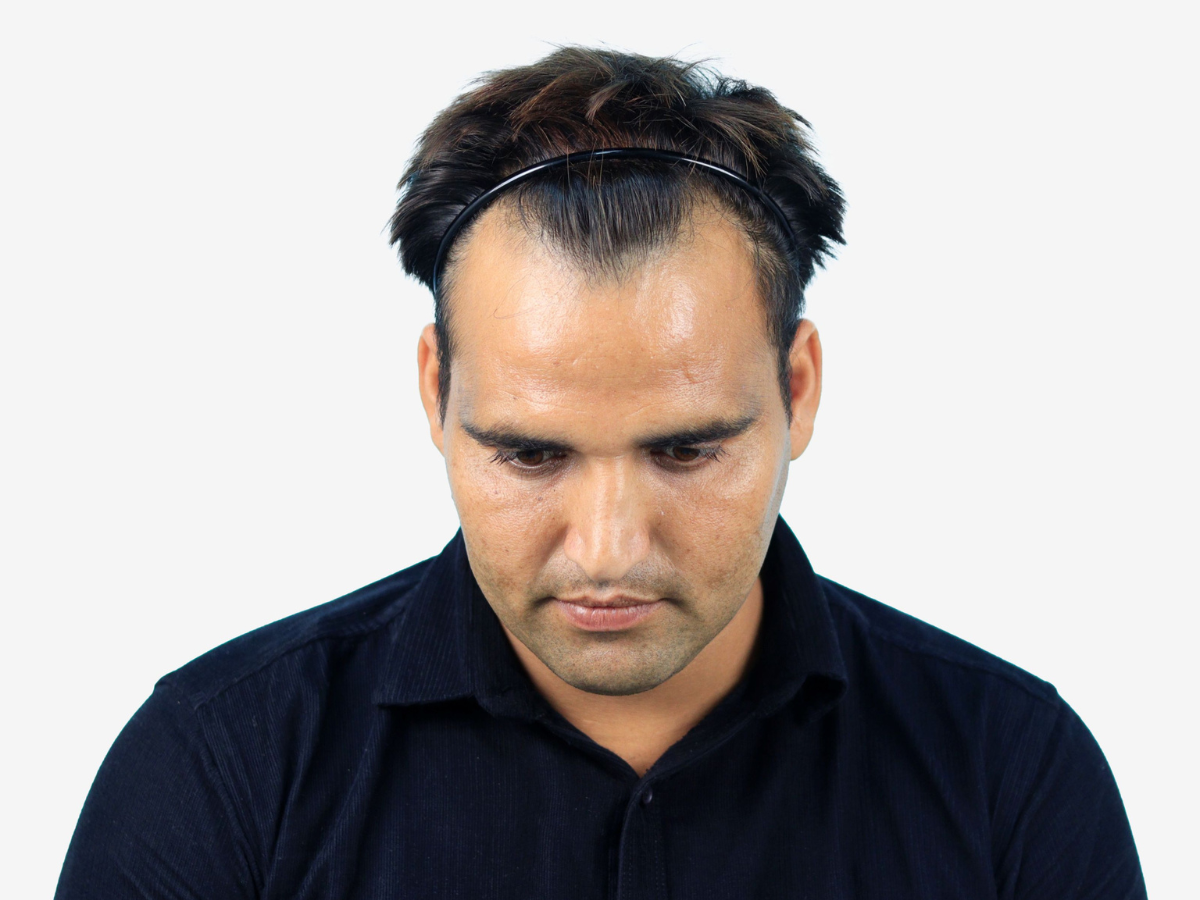
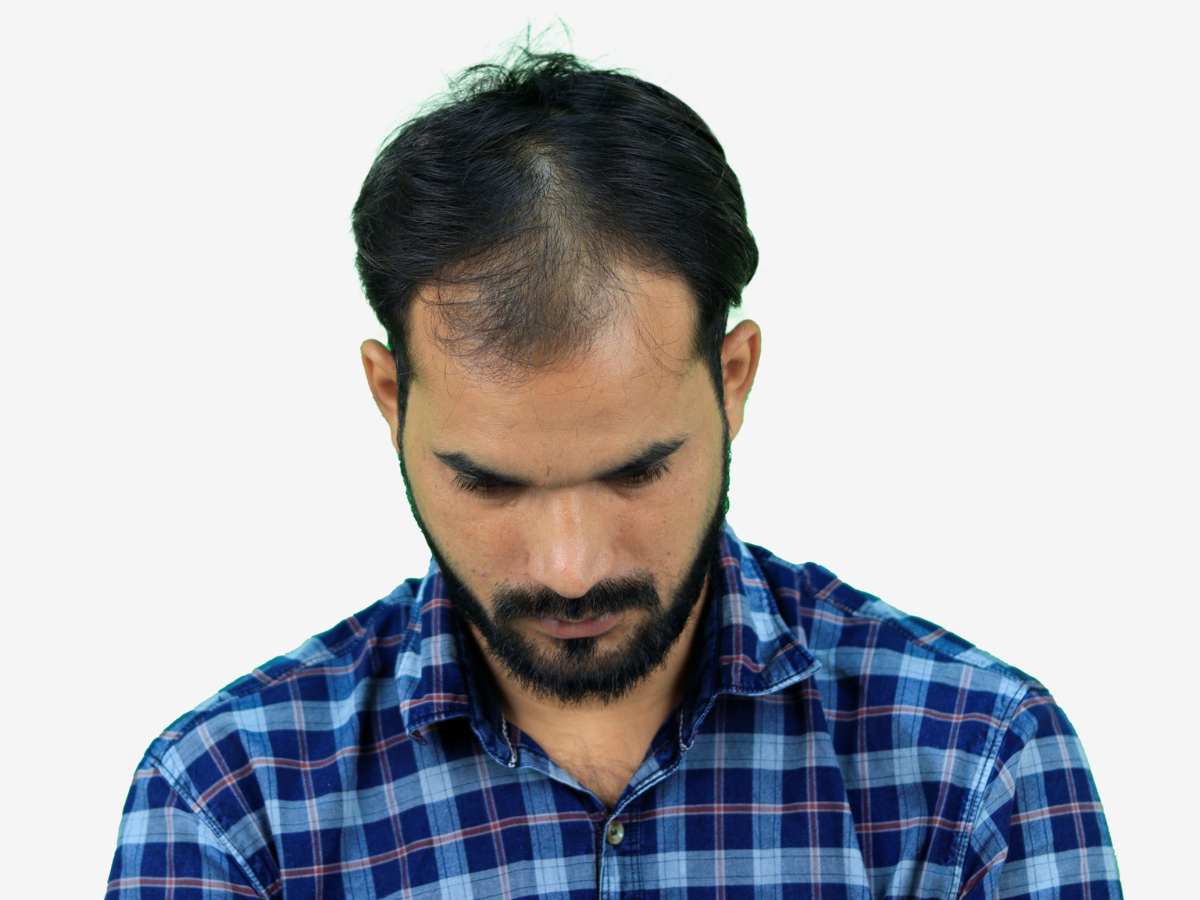
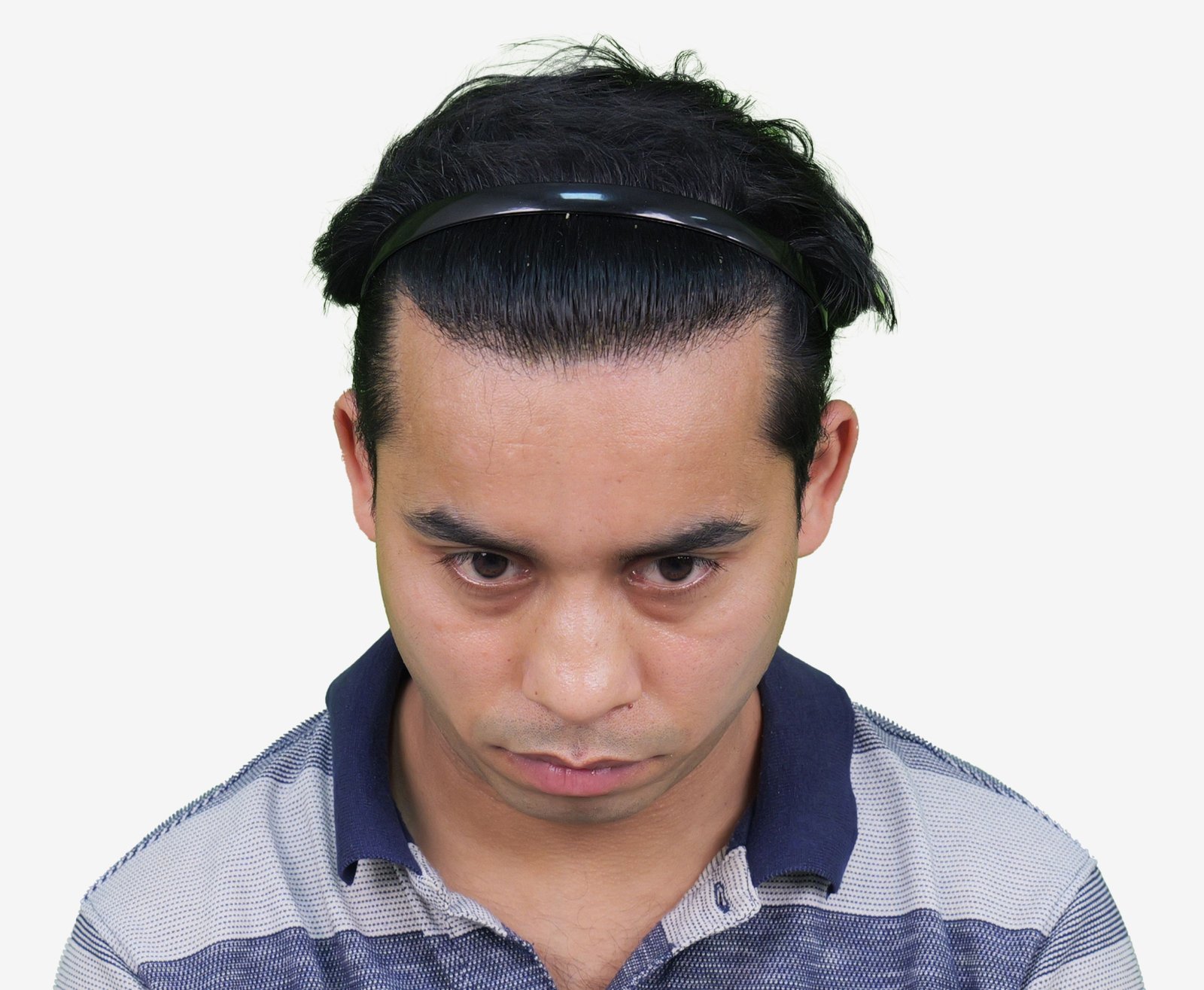
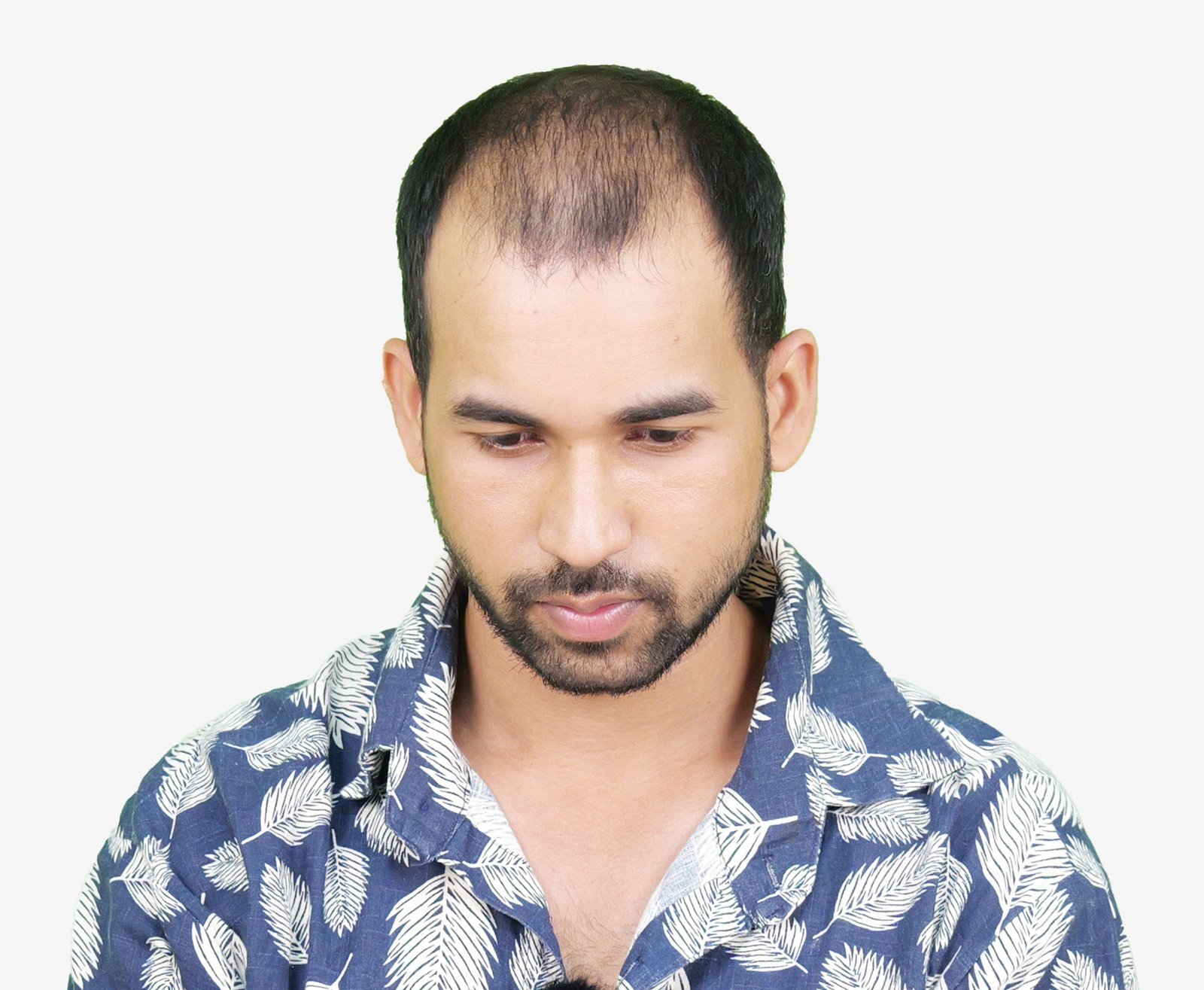
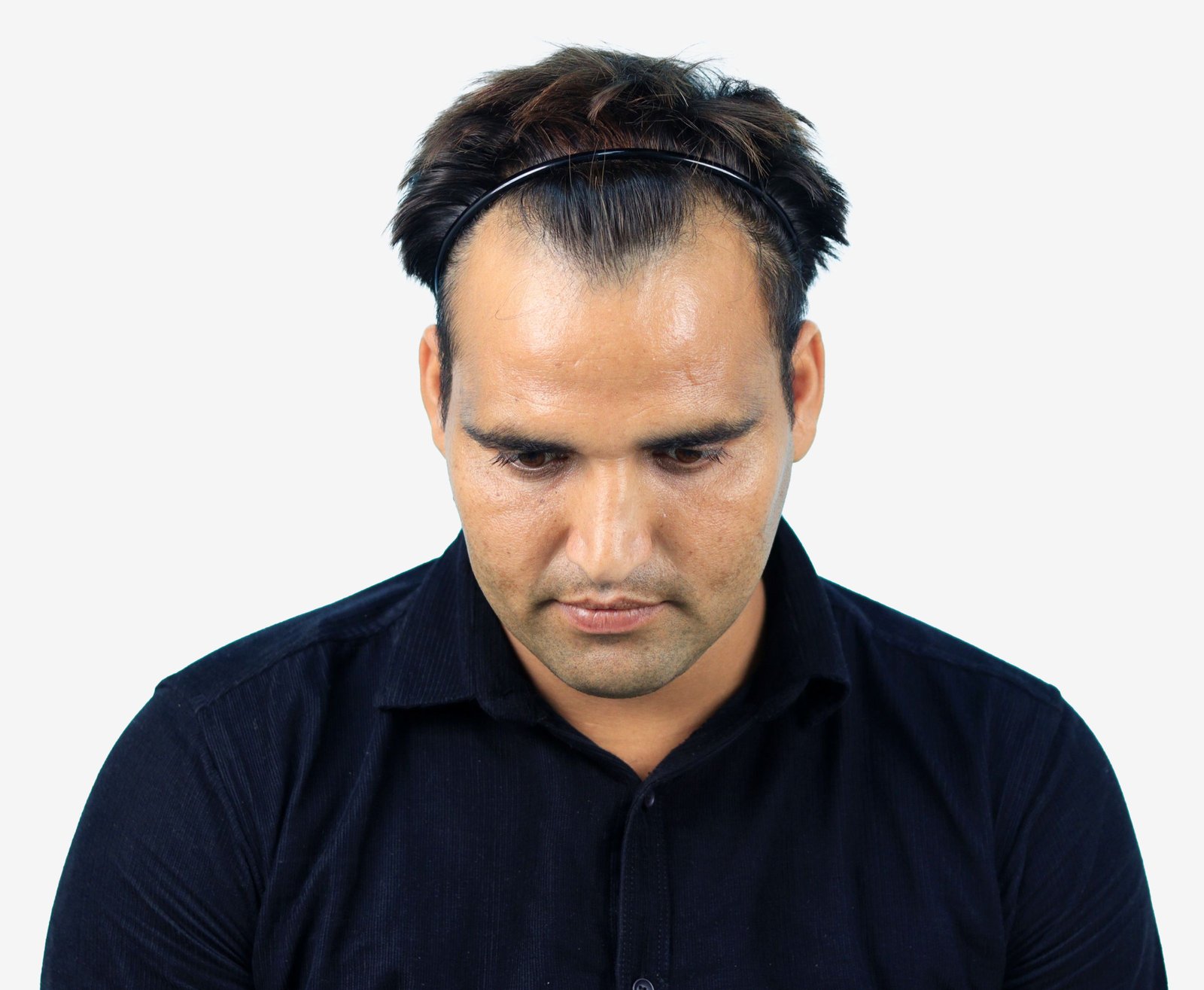
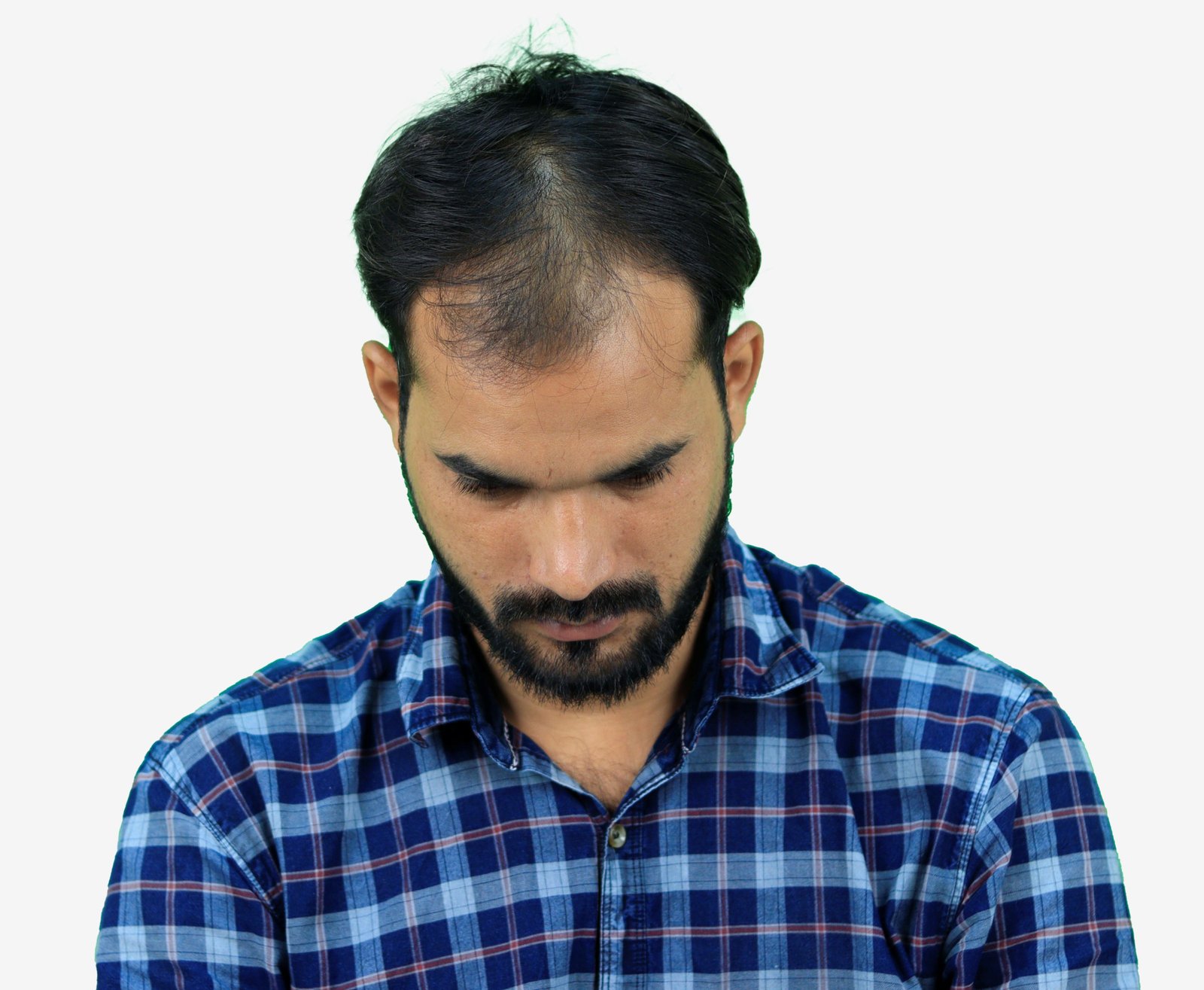
    Noticing thinning hair or bald patches? Speak to a hair restoration expert and explore permanent treatment options.
    After
    Before
    Drag
    After
    Before
    Drag
    After
    Before
    Drag
    After
    Before
    Drag

      Client Reviews

      What People Says

      At IFT Hair Science, we take pride in transforming lives through hair transplant procedures for men. Here are some real stories from our satisfied patients: